

The Future of Lubricants in Hybrid and Electric Vehicles
- January 7, 2026
- Posted by: General Petroleum
- Category: Blogs
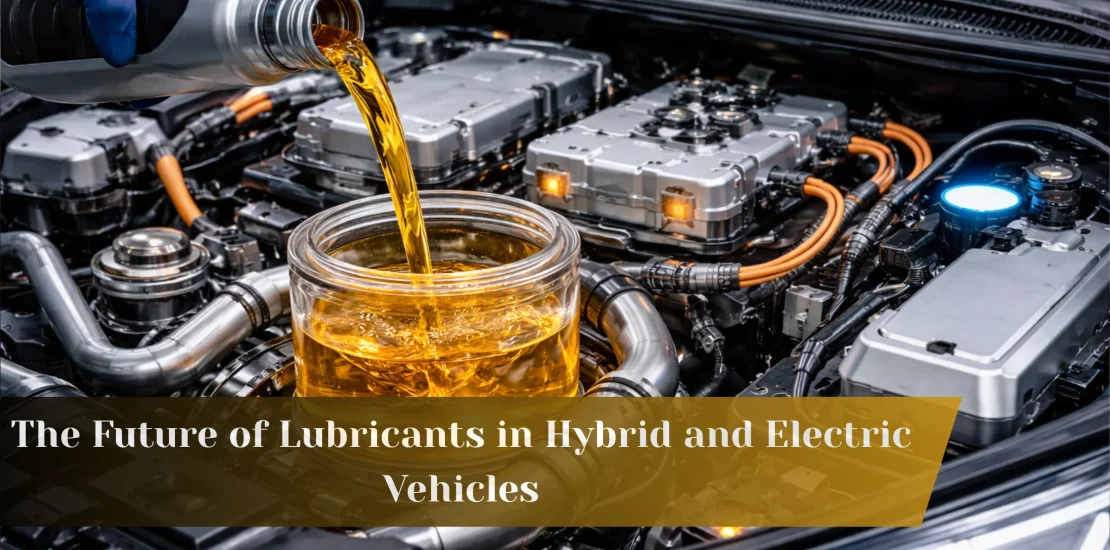
The Changing Automotive Landscape
With the change in the global automobile sector towards becoming more sustainable, lubricant distributors in Uganda, as well as in developing countries, are also following the trend in the growing use of hybrid and electric vehicles. Even while becoming more sustainable, the use of lubricants is no longer becoming obsolete, as hybrid and electric vehicles require high-performance lubricants.
Role of Lubricants in Hybrid Vehicles
Hybrid cars still use internal combustion engines in combination with electric motors. But working conditions for these cars vary greatly from those of normal vehicles. The requirements of frequent stopping and starting, low engine temperatures, and regenerative braking create a very demanding environment for engine parts. It is at this point that understanding the importance of “How Engine Oil Quality Affects Fuel Efficiency” becomes crucial. Higher-quality engine oil with low viscosity enables a reduction in internal engine friction, quick oil flow to engine parts during cold starts, and improved mileage for hybrid vehicles with lower emission levels.
Specialized Lubricants for Electric Vehicles
While electric vehicles might not use traditional engine oil, they are very reliant on other types of lubricants. The fluids used within electric vehicles include those for reduction gears, bearings, cooling systems, as well as electric motor lubricants. The substances should have very high stability, insulation properties against electricity, as well as oxidation resistance. The role of lubricants will become more significant as EV technology develops, covering the cooling of batteries.
Market Evolution in Uganda
In developing regions, such transitions are observed to affect the supply and demand in the market. The Uganda Lubricants Market is witnessing a shift with the rising adoption of hybrid cars in urban areas, where the price of fuel and pollution are rising. While widespread adoption of EVs may require time due to the unavailability of charging points, demand for better lubricants that can be used in hybrid cars is rising.
Impact of Hot Climates on Lubricant Performance
Environmental and climatic factors further influence lubricant requirements. In tropical regions, for example, oils are subject to higher temperatures that cause them to deteriorate faster if of low quality. Many vehicle owners still ask, How Often Should You Change Engine Oil in Hot Climates? While manufacturer guidelines should always be followed, high temperatures generally require more frequent oil checks and the use of advanced synthetic oils that maintain viscosity and protective properties under extreme heat.
Future Trends in Lubricant Technology
The future of lubricants will come from innovation. The focus will be on developing the next generation of lubricants, including ultra-low viscosity oils, multifunction EV fluids, and biodegradable bio-based lubes. These will help improve efficiency, extend the life of components, and satisfy more stringent emissions norms.
Conclusion
The fact that hybrid cars and electric cars are on the rise is not reducing the relevance of lubricants; on the contrary, the relevance is increasing. Lubricants’ relevance extends from improving the fuel economy in hybrid cars to improving the heat stability in electric cars. With technological advancement, countries such as Uganda that are open to this new technological era would be on the positive side of this new wave of mobility.